

One lump emergency fund is simple until the holidays, new tires, and a vet bill all claim to be emergencies. Sinking funds exist so predictable irregular costs stop pretending to be surprises.
Build both without counting the same dollar twice.
This guide is general consumer education for readers in the United States. It is not personalized financial, legal, or tax advice. Rules and product terms change by provider and state—confirm details on official pages before you act.
Numbers to gather before you start
Pull two months of bank and card transactions, a list of due dates, and your essential monthly costs. Exact figures beat estimates when you redesign cash flow.
Write your income pattern clearly: fixed, variable, or mixed. The method you choose should match how money actually arrives.
Define emergency vs sinking
Emergencies are necessary, unexpected, and hard to time: job loss, urgent medical gaps, essential home repairs you could not foresee. Sinking funds are expected but irregular: insurance premiums, car maintenance, gifts, travel, annual subscriptions.
If you can calendar it roughly, it is usually a sinking fund—not an emergency.
Take a minute after this section to write one concrete next action on paper—something you can finish within 24 hours—so the ideas do not stay theoretical.
Size the emergency fund for job and expense risk
Common starting targets are a few months of essential expenses, adjusted for job stability, dependents, and insurance deductibles. Prefer essentials-only months, not full lifestyle burn.
Keep emergency cash liquid and separate from investing accounts you would hesitate to touch.
Take a minute after this section to write one concrete next action on paper—something you can finish within 24 hours—so the ideas do not stay theoretical.
Quick reference table
| Example | Emergency? | Sinking fund? |
|---|---|---|
| Job loss | Yes | No |
| Annual car insurance | No | Yes |
| Holiday gifts | No | Yes |
| Sudden ER deductible hit | Often yes | Also fund deductible sinking |
| Known dental crown next quarter | No | Yes |
Use the table as a working checklist while you gather documents or click through settings. If a cell is blank for your situation, that is a signal to ask a clarifying question before you commit.
List sinking funds from the last year
Scan last year spending for irregular hits. Divide each annual cost by twelve (or the months until due) to get a monthly transfer. Open sub-accounts or budget lines with names and due months.
Fund high-pain items first: car, medical deductible, insurance, then lifestyle sinking funds.
Take a minute after this section to write one concrete next action on paper—something you can finish within 24 hours—so the ideas do not stay theoretical.
Avoid double-counting in your monthly plan
The emergency fund target should not include money already assigned to sinking funds. If you raid emergency for Christmas, replenish and enlarge the gift sinking fund so it does not repeat.
Automate transfers on payday so sinking funds fill without relying on leftover willpower.
Take a minute after this section to write one concrete next action on paper—something you can finish within 24 hours—so the ideas do not stay theoretical.
Behavioral traps that undo good systems
A beautiful budget that assumes perfect months will fail on the first surprise. Build buffers and sinking funds so the plan survives contact with reality.
Tools do not replace decisions. If automation hides duplicates or pending transactions, schedule a monthly reconciliation anyway.
Step-by-step checklist
- Write your emergency definition in one sentence.
- List irregular expenses from last year.
- Create monthly sinking transfers for the top five.
- Set an essentials-based emergency target.
- Automate payday splits into both buckets.
Work the checklist in order when you can. Skipping ahead to the final click—apply, elect, transfer, or cancel—is how avoidable fees and denials appear.
Common mistakes and warning signs
- Calling every want an emergency
- Keeping one balance with no labels
- Stopping emergency funding while sinking funds grow for vacations only
- Double-counting the same cash in both targets
- Investing emergency money you may need within months
If you recognize more than one mistake already in progress, pause new commitments for a day and repair the process first.
Practical tips you can use this week
- Name sinking funds with the month they are due.
- Review sinking amounts each quarter after real spend.
- If cash is tight, fund emergency and car/medical sinking before travel funds.
Tips are starting points. Adapt them to your budget, state rules, and the disclosures on any product you consider.
Conclusion
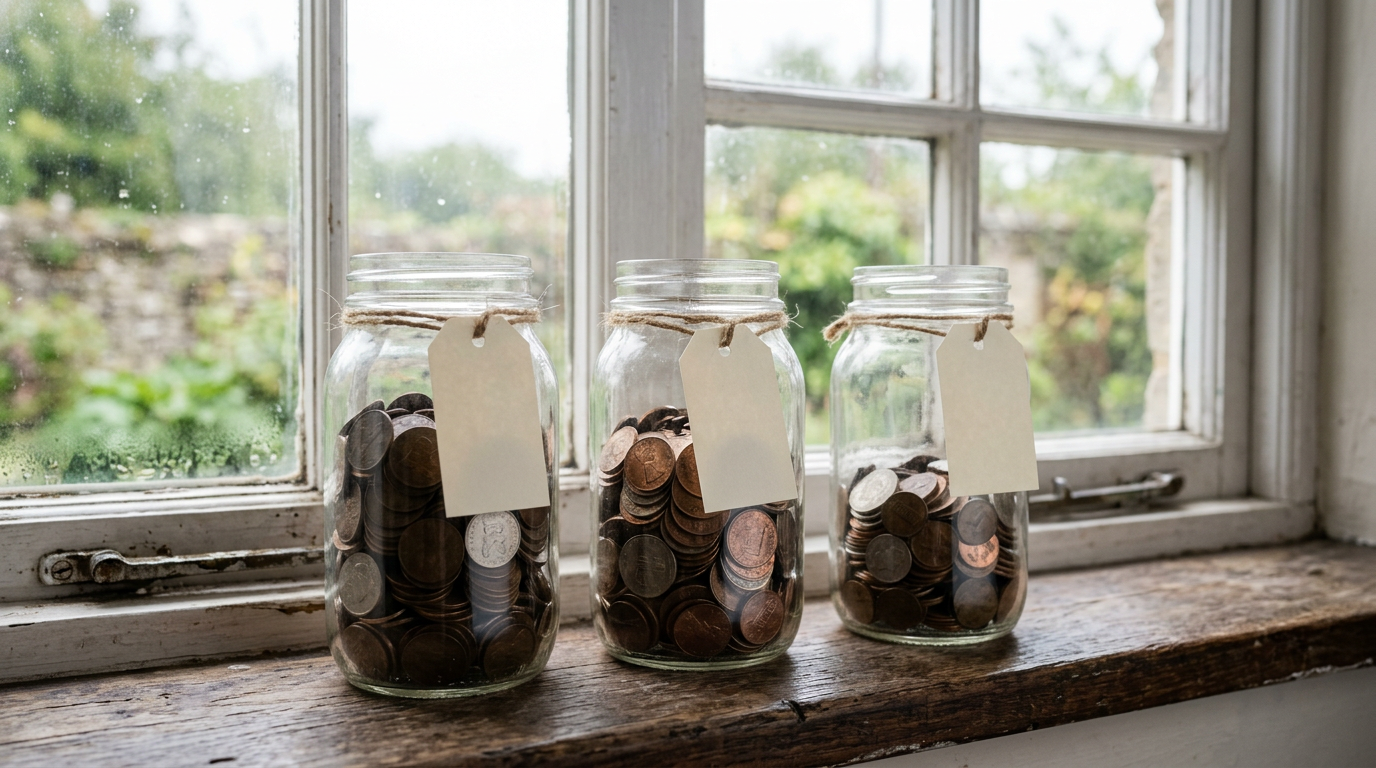
Emergencies should be rare; irregular expenses should be scheduled. Separate the jars so progress is honest.
Automation beats intention when both funds compete for the same paycheck.
If your situation is complex—recent credit damage, mixed household finances, or specialized benefits—consider a qualified professional or reputable nonprofit counselor before you sign or enroll.
FAQ
Can sinking funds live in the same high-yield account?
Yes if you track sub-balances carefully; separate buckets reduce mental accounting errors. When in doubt, prefer written plan documents and official lender or employer pages over social media summaries.
What if I underfunded a sinking fund?
Cover the gap from flexible spending or a small emergency dip, then raise the monthly transfer. When in doubt, prefer written plan documents and official lender or employer pages over social media summaries.
Is a credit card a sinking fund?
No. It is a payment method. The sinking fund is the cash plan that prevents interest. When in doubt, prefer written plan documents and official lender or employer pages over social media summaries.
Is this personalized advice?
No. This is general education. Your best next step is to apply the checklists to your own numbers and confirm details with primary sources for your state and providers.